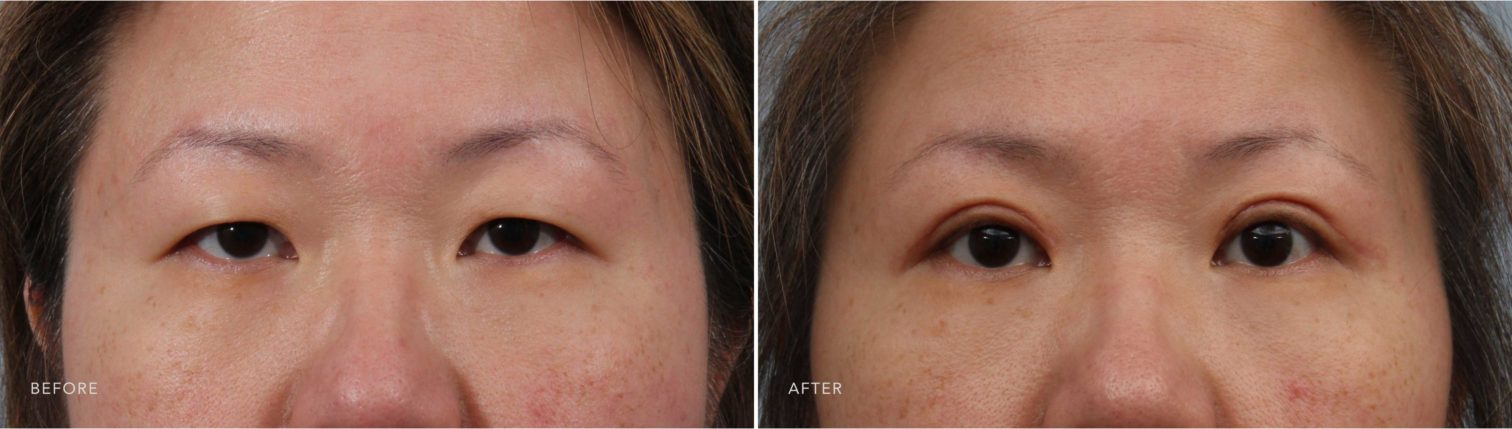
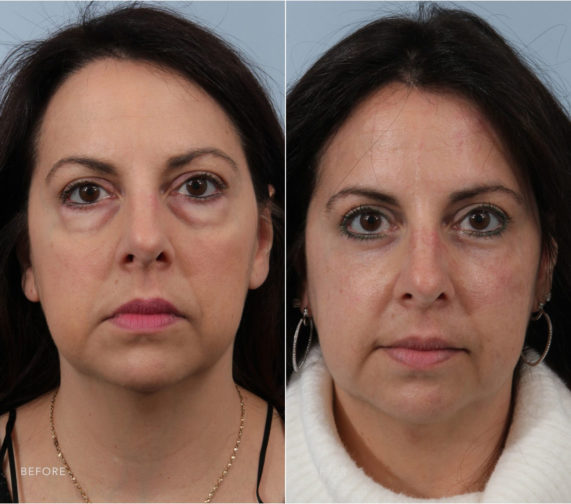
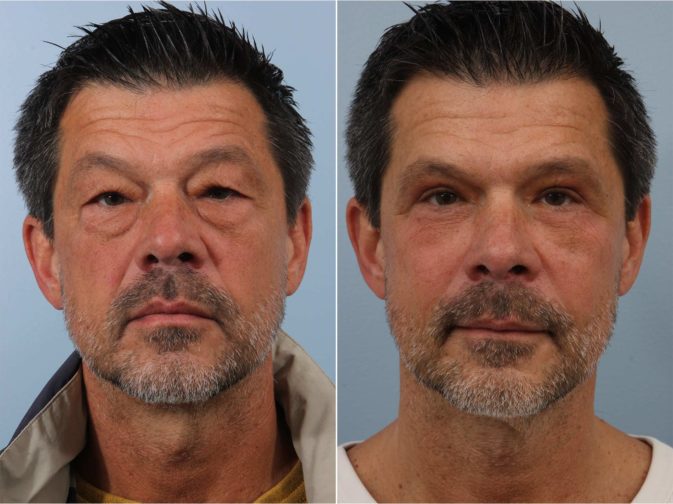
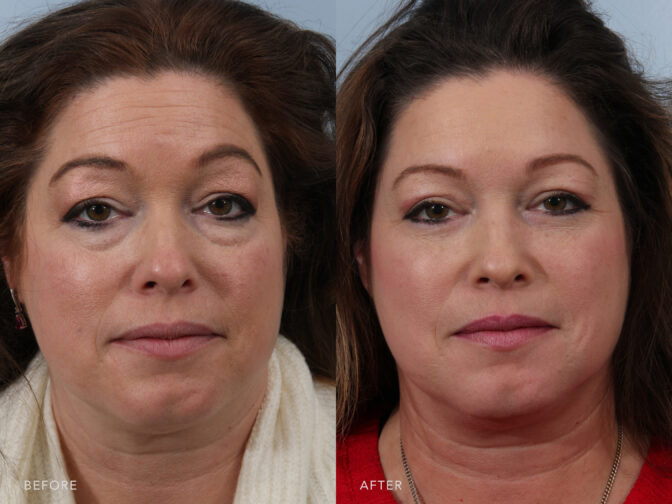
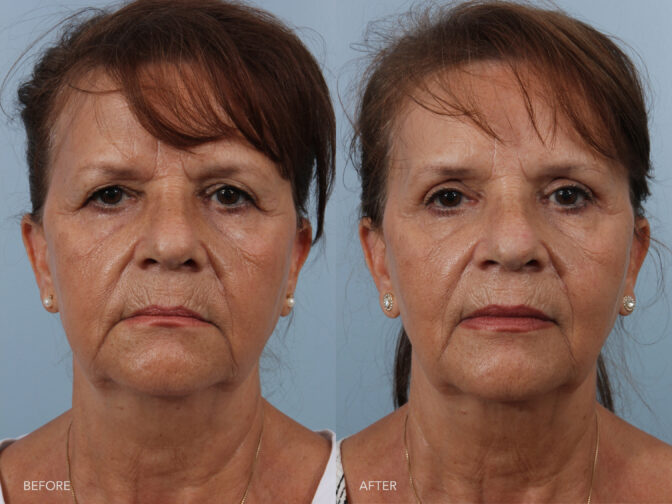
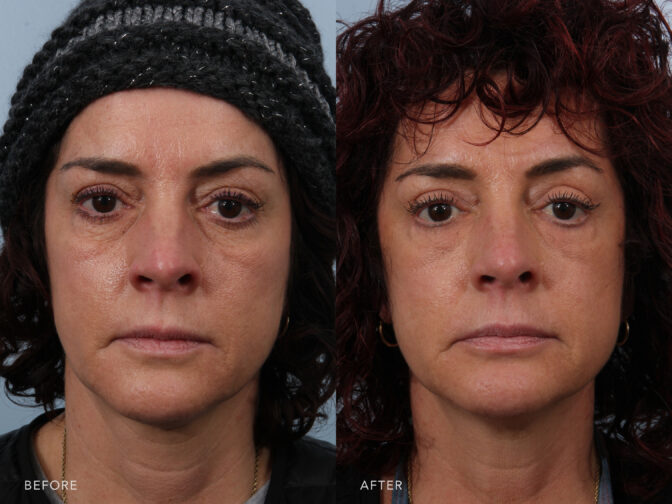
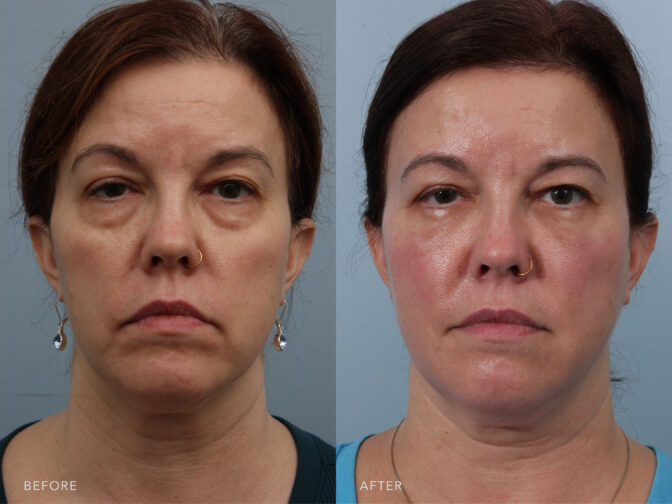
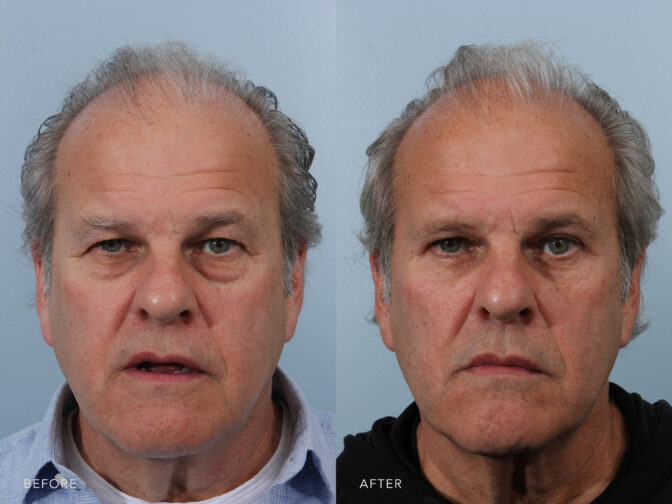
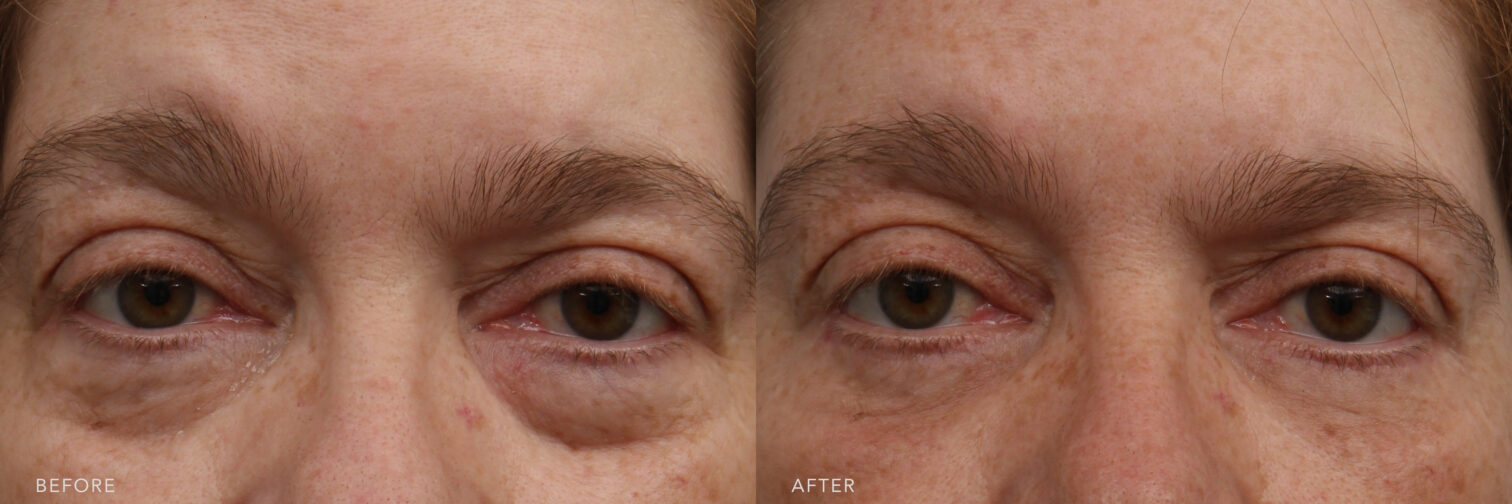
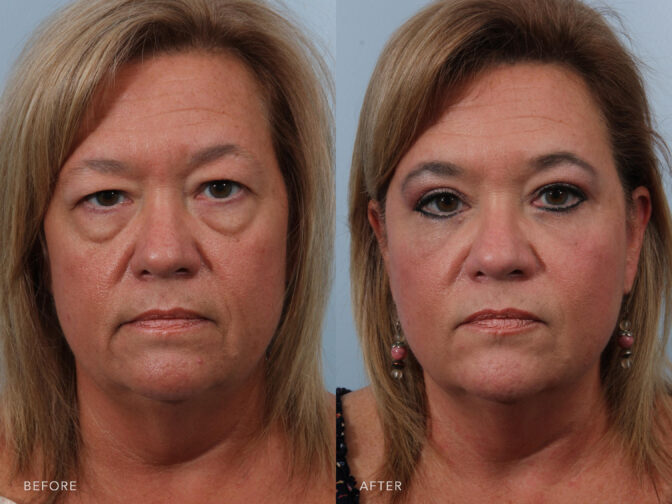
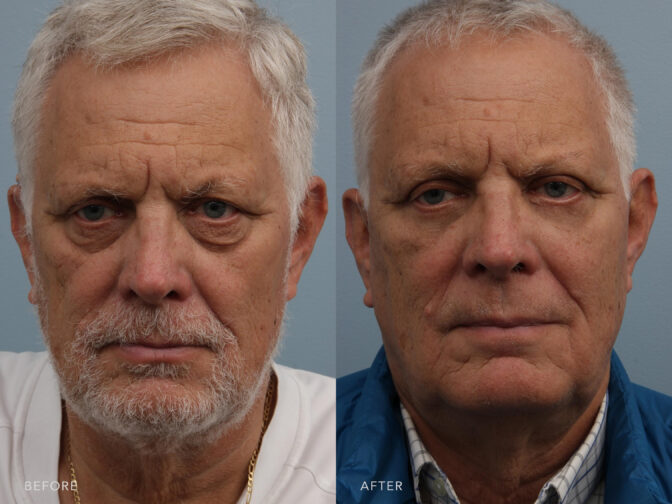
Blepharoplasty Book
Everything you need to know about revitalizing your aging eyes.
Everything you need to know about revitalizing your aging eyes.
Eyelid surgery typically takes between one and two hours to complete and may be performed in a surgeon’s office-based facility, an outpatient surgery center such as New England Laser and Cosmetic Surgery Center, or a hospital. Local anesthesia with sedation is often used, though general anesthesia may also be used when needed.
Incisions tend to be well-concealed, being in the fold of the eyelid for the upper eyelids and inside of the lower eyelid for the lower eyelids. Once the incisions are made, excess fat is removed, and sagging skin and muscle may be trimmed.
If excess skin needs to be removed from the lower eyelids, fine sutures are used to close the incisions.
For further tightening of the skin a chemical peel may be applied to skin on the lower lids.




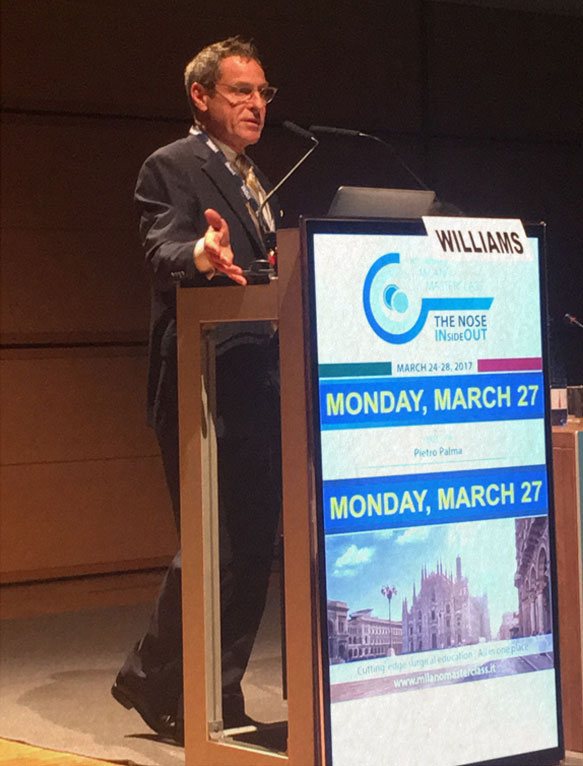
Dr. Williams performs what he calls the “Sliver Technique” on the upper and/or lower eyelids. The purpose of this procedure is to remove loose, excess skin. This excess skin can give someone the appearance that they are aging or constantly looking tired. This is an office procedure that can be performed under local anesthesia, anesthesia that patients would also receive at the dentist.
A fine incision is made in the upper eyelid’s crease, or just under the eyelashes in the lower eyelid. A small amount of excess skin is removed and sewn together with a very fine suture. The sutures are removed in about six days.
Bruising and swelling is common and lasts about a week, but, for some patients, longer. This bruising can typically be camouflaged with makeup at around the eight-day mark, if still present.
It is important to keep in mind that everyone heals differently.
Patients will typically take Tylenol for any discomfort they may have. Post-care instructions are given to the patient on how to care for their incision lines, how often to apply ice and to keep their head elevated for the first few nights while sleeping.
As long as the patient does not request oral sedation, they are able to drive themselves home after the surgery.
After eyelid surgery, some tightness and soreness of the eyelids can occur and may be controlled with prescription pain medication. Patients should keep the head elevated as much as possible during the first few days and regularly apply cold compresses to help reduce swelling and bruising.
Dryness, itchiness, burning, excessive tearing, sensitivity to light, and blurred or double vision can occur during the first week. It typically takes ten days for the bruising to fade. Patients can usually resume reading within two to three days, and the stitches will be removed within six days.
Work and most normal activities may be resumed within seven to 10 days, while contact lenses may be worn after two or more weeks. More strenuous activities and alcohol consumption should be avoided for about three weeks.
While the blepharoplasty procedure rejuvenates the eyes, a facelift can erase the signs of aging in the entire face. Also, if patients are considering treatment for both eyelids, brow, and/or forehead, the brow lift can elevate the position of the eyebrows and reduce the lines and wrinkles in the forehead.
Drooping of the upper eyelids is referred to as ptosis. Eyelid ptosis usually occurs when the muscle of the upper eyelid is not strong enough to raise the eyelid.
Mild ptosis repair is considered a cosmetic procedure. More severe ptosis repair can be covered by insurance. To determine whether this is a covered procedure, patients may have to have a field of vision study done to determine if this is a medically necessary procedure.
Interested in having Blepharoplasty surgery, but have some questions? Find answers to the most common questions our patients have during their consultation about cost, recovery, and preparation.