A facelift can be one of the most impactful procedures in cosmetic surgery. When performed well, it refreshes your appearance, softens the signs of aging, and helps you feel more confident in your own skin. When done poorly, however, the results can be equally life-changing for the wrong reasons. Over-tightened skin, unnatural contours, visible scars, or loss of your natural facial character can be emotionally and financially draining to correct.
See how natural facelift results can look – click here.
The good news is that most of these disappointing outcomes can be avoided. By understanding what causes suboptimal results and knowing how to choose the right surgeon, you can set yourself up for a natural, lasting outcome you’ll love.
Common Reasons Facelifts Go Wrong
Even with advanced techniques, certain surgical mistakes can result in unnatural or short-lived outcomes.
Too Much Skin Removal
When too much skin is removed, your face can look “windswept” or “pulled.” This occurs when the surgeon focuses only on tightening the skin rather than lifting and repositioning the deeper facial structures. The most effective and long-lasting facelifts address the underlying support layers first to ensure minimal tension on the overlying skin.
Incorrect Incision Placement
Incisions that are not planned carefully can leave visible scars or distort the natural hairline and ear shape. A skilled surgeon creates incisions in natural folds and creases; any scarring is discreet and blends with the natural contours of the skin.
Lack of Ligament or Tissue Support
If a facelift only works on the surface, ignoring the SMAS layer and retaining ligaments, the skin will quickly sag again. Supporting these deeper layers is what gives a facelift its staying power.
Red Flags When Choosing a Surgeon
As Dr. Williams often says, your choice of surgeon is the single most important factor in your outcome.
“If you don’t feel confident with your choice, it is best to get a second opinion or go elsewhere.” – Dr. Williams
Here are a few warning signs to watch for:
- Not board-certified
- Limited before-and-after photos
- No educational materials for patients
- Limited experience in facelifts specifically
View this post on Instagram
How Dr. Williams Achieves Natural Outcomes
Dr. Williams is a double board-certified facial plastic surgeon who specializes in the deep plane facelift technique. This approach repositions the deeper facial muscles and connective tissue as a single unit rather than pulling on the skin alone. By restoring structure from within, it creates:
- Natural-looking improvement without a pulled or windswept look
- Longer-lasting results because the foundation is lifted, not just the surface
- A refreshed appearance that looks great both in motion and at rest
“A good facelift is one that is not seen. My goal is always for my patients to look natural, never overdone.” – Dr. Williams
View this post on Instagram
What to Ask During Consultation
Your consultation is your chance to see if the surgeon’s philosophy matches your goals.
Examples of Natural Results
Ask to see before-and-after cases of patients who share a similar age, facial structure, and skin type.
Revision Plan in Case of Complications
Even the most experienced surgeons acknowledge that revisions are sometimes necessary. Ask what your options would be if you were not fully satisfied with your results.
If It Happens: Revision Options
Timeline and Techniques
Revision facelifts are more complex than first-time surgeries. Surgeons generally recommend waiting six to twelve months before attempting correction so that tissues can heal fully. Common approaches may include:
- A deep plane revision to restore structure
- Fat grafting to add volume where needed
- Scar revision to better conceal incision lines
Risks and Benefits of Revision Surgery
While revision can greatly improve appearance, it requires advanced skill and often a longer recovery. Choosing a surgeon who has specialized experience in revision facelifts is essential.
Summary Takeaway
- Most facelift regrets can be avoided with careful planning, realistic expectations, and a surgeon who focuses on natural harmony rather than dramatic change.
- A well-executed facelift should help you look like yourself on your best day, not like someone else entirely.
FAQs on How to Avoid a Bad Facelift
-
What is the most common reason a facelift looks unnatural?
Too much skin removal without addressing deeper structures is the top cause. This can create an over-tightened, unnatural look.
-
How do I know if a surgeon delivers natural results?
Review their before-and-after photos. The best results look refreshed and balanced without obvious signs of surgery.
-
Can a bad facelift be fixed?
Yes. A revision facelift can address many concerns, though it is a more complex procedure. Waiting until your face has fully healed is important before making corrections.
-
How can I lower my risk of a bad facelift?
Choose a board-certified facial plastic surgeon, verify their facelift experience, and make sure they share your vision for a natural outcome.
For more answers to the most common questions on facelifts, read this blog.
Your Next Step
If you are considering a facelift, Dr. Williams offers over 33 years of experience and a philosophy centered on safety, precision, and natural beauty.
Request Your Consultation and start your journey with confidence.
About the Author: Dr. Edwin Williams
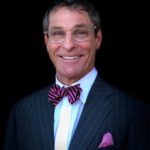
Dr. Edwin Williams is a double board-certified facial plastic surgeon who founded The Williams Center in 1993. He has performed over 10,000 facial plastic surgery procedures and has pioneered the deep plane facelift. He served on the Board of Directors for the American Academy of Facial Plastic Surgery for over a decade, and served as President from 2015-2016. In 2016, 2017, 2018 and 2019, Dr. Williams earned the Castle Connelly Top Doctors award in New York Facial Plastic Surgery.
Dr. Edwin F. Williams III attended Cornell University in Ithaca, New York where he received a Bachelor of Science degree in 1982. He began medical school at the State University of Buffalo School of Medicine and received his Doctor of Medicine in 1986.
Dr. Williams is actively involved in teaching facial plastic and reconstruction surgery to the residents of the Albany Medical Center and is former Chief of the Section of Facial and Plastic Reconstruction Surgery at Albany Medical Center where he received an academic appointment of Clinical Professor, Department of Surgery.