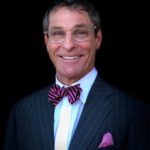
Dr. Edwin Williams

Begin Your Journey

Dr. Edwin Williams is a double board-certified facial plastic surgeon who founded The Williams Center in 1993. He has performed over 10,000 facial plastic surgery procedures and has pioneered the deep plane facelift. He served on the Board of Directors for the American Academy of Facial Plastic Surgery for over a decade, and served as President from 2015-2016. In 2016, 2017, 2018 and 2019, Dr. Williams earned the Castle Connelly Top Doctors award in New York Facial Plastic Surgery.

Dr. Edwin F. Williams III attended Cornell University in Ithaca, New York where he received a Bachelor of Science degree in 1982. He began medical school at the State University of Buffalo School of Medicine and received his Doctor of Medicine in 1986.

Dr. Williams is actively involved in teaching facial plastic and reconstruction surgery to the residents of the Albany Medical Center and is former Chief of the Section of Facial and Plastic Reconstruction Surgery at Albany Medical Center where he received an academic appointment of Clinical Professor, Department of Surgery.

3 Surprising Benefits of Facial Plastic Surgery

Deciding to undergo any kind of surgery is an important decision that should not be taken lightly. All surgical procedures carry some level of risk, but the positive results can be life changing in unimaginable ways. Cosmetic facial surgery can be about much more than having firmer skin or a cuter nose. Patients who undergo facial plastic surgery often experience improvements in all facets of their lives.

Facial surgery should not be undergone so that others will see you as more attractive, but because it is something that you have always wanted to do. If it makes you feel happy when you look in the mirror, then you are a good candidate for plastic surgery. As a result of satisfaction with a cosmetic procedure, the following benefits may also transpire:

Benefit #1: Your Rejuvenated Appearance Can Lead to Success

Some think it is vain to be concerned about their looks and that it is what is on the inside that counts, but that statement is only half true. Yes, our personalities and how we interact with others define us more than what color hair we have or the shape of our nose. However, having a polished appearance does matter for many reasons that are not superficial.

For one, having a nice appearance, whether it is healthy skin, a toned body, or the clothes we wear, shows that we take care of ourselves. This attention to details and the desire to strive for improvement translate into other facets of a person’s life, such as success in your career. Current research shows that attractive people are hired sooner, move up the ranks faster, and earn an average of 3 to 4 percent more than people with less-than-average looks. The cost of that facelift may be worth it after all. Several studies point to sex appeal as one reason why employers and clients may prefer attractive people over others, but another reason may be because of the next benefit plastic surgery has to offer.

Benefit #2: Your Self-Confidence Receives a Boost

When you look your best, you feel your best. Self-esteem is greatly increased, especially when a concern that has been haunting someone for years is corrected. A nasal hump or a weak chin can lead to feelings of inadequacy or insecurity and even cause some to shrink from social situations. Once a person feels better about the way they look, their self-esteem rises. These positive feelings can manifest into behavior that is seen as more desirable by others. The newfound acceptance by others only goes on to improve a person’s self image even more. Confidence increases the likelihood that a person will take chances that can lead to a fuller life.

Benefit #3: Facial Plastic Surgery Can Improve Your Health

A recent article by The Sacramento Bee conveyed that increased confidence can also lead to improved health through “other steps, such as a new exercise regimen, which may further improve the patient’s appearance and general well-being.” Whether it is to improve the appearance of other areas of the body, or to maintain the results of the surgery, patients who undergo cosmetic procedures may experience a renewed motivation to eat right, exercise regularly, and take better care of their skin and bodies. Not only will the outcomes of the surgery be extended, but so will your life.

To learn more about cosmetic surgery and how it may benefit you, contact the Williams Center Plastic Surgery Specialists today.  The Williams Center can be reached at (518) 786-7000 in Albany and (212) 799-2100 in Manhattan. 

Read More

The Do’s and Don’ts of Facelift Recovery

The road to a rejuvenated appearance is not always an easy one. While some patients may only need minor fine-tuning to their appearance with non-invasive cosmetic procedures, others may require a surgical approach to achieve a look that reflects their youthful personality. When that is the case, a facelift may be the solution.

A facelift is an excellent procedure for facial skin that has become lax and begun to sag. There are several types of facelift techniques which will help to address loose skin and excess fat deposits in the lower face and neck. Once performed, the results can produce a younger-looking appearance for the next ten or so years. The average man or woman who undergoes a facelift looks approximately 7 years younger after surgery.

Following a facelift, some discomfort should be expected. Most patients take advantage of the initial days following surgery to rest and re-energize. There will be restrictions on what type of activities you can and cannot do during the first days and week following surgery.

Don’ts

You should avoid washing your hair for a couple of days following surgery. If you wash your hair faithfully everyday, your scalp and hair will probably thank you for allowing it time to restore the natural oils. Talcum powder can be used to help manage overly oily hair.

Do not apply makeup for about one week after surgery. Doing so can lead to discoloration of the healing incision sites. The actual pressure and motion of putting on makeup can also irritate the face and impact your skin’s recovery. Avoid makeup use as much as possible. If you are resting at home there is no need to apply it.

Avoid all strenuous activities until swelling has settled. Vigorous exercise should be postponed until four to six weeks following your facelift surgery.

The nicotine found in tobacco is detrimental to the health of your skin since it restricts blood flow. Surgeons will advise you to cease smoking prior to surgery. It is also crucial to avoid the habit during the recovery period for the best, long-lasting results.

Hematomas can be caused by heavy lifting. Do not lift anything over five to ten pounds during the first two weeks. If you have small children it is helpful to have another adult present to assist you while you heal.

Do’s

When the appropriate time for wearing makeup does come, purchase new products to limit the risk of infection. This includes makeup application tools.

If you don’t have one already, develop a suitable skin care routine, including cleansers, moisturizers, and sunscreen. Dr Williams staff can advise you on the best products for your skin type.

Practice vigilant sun protection. Incisions are not protected by clothing as with body surgery and must be given careful consideration. Use sunscreen with SPF 15-40 for at least the first year, even on overcast or cold days.

Do return to your normal daily activities when you are comfortable doing so. For most people this is within the first two weeks. Walking after plastic surgery is encouraged to avoid blood clots.

For more information on facelift and other plastic surgery procedures, contact the Williams Center Plastic Surgery Specialists at (800) 742-2797. The Williams Center has locations in Latham, NY, near Albany, as well as Manhattan.

Read More

Feel and Look Better with Proper Sleep Apnea Treatment

According to a new study released by the University of Michigan Health System and published in the Journal of Clinical Sleep Medicine, a healthy night’s rest can make you not only feel better, but look better, too. Of course, this is easier said than done for the millions of people suffering with sleep apnea. If you are suffering with this sleep disorder, it is important to take the condition seriously and seek out treatment with the use of PAP, or Positive Airway Pressure, therapy.

Dr. Ronald Chervin is the lead researcher who heads the University of Michigan’s Sleep Disorders Center. He believes and has proven that proper sleep is possible with the use of PAP therapy. He states, “Compliance is a huge issue,” and believes that many patients who are dealing with sleep apnea are not receiving the necessary care.

Sleep apnea is a very dangerous condition where a patient will stop breathing multiple times during their sleep. They may also produce loud snoring and appear to have their airways blocked. The condition is actually very common but most people do not realize they have sleep apnea. If the condition is left untreated, patients will continue to have issues getting proper sleep. However, the condition can also lead to heart disease, strokes, diabetes, or accidents caused by extreme fatigue.

Of course, treatment is possible and readily available. Patients who believe they may have sleep apnea can consult their physicians to schedule a sleep study test. This test is conducted during the patient’s sleep at an overnight visit to a clinic. The amount of times that the patient stops breathing will be noted. If the test conductor believes the patient could benefit from PAP therapy, a machine will supply pressurized air to the patient through tubing and a face or nasal mask. Patients who require PAP therapy will sleep each night with a mask and the PAP machine. This is the most effective form of sleep apnea treatment.

Dr. Chervin believes patients must utilize their PAP therapy to sleep better, feel better, and look better. “It’s clear that we need something to help make patients more willing to use PAP because the treatment works,” he states.

The new study focused on 20 patients using CPAP, or Continuous Positive Airway Pressure, therapy. Patients were all of middle-aged and very similar in terms of their sleep apnea condition. The CPAP therapy was used on these patients for four months and each of the patient’s facial areas were inspected for changes over the time period.

Dr. Chervin said the differences were remarkable. “At least anecdotally, I would see patients in clinic who were compliant with treatment saying they certainly felt better, but they also looked better.” Participants were photographed with innovative mapping software that focused on the face. Before and after treatment photos were taken. The images were studied by various people including independent raters who were not involved with the study.

They concluded that the participants who complied with the proper CPAP therapy looked more youthful and alert. They appeared more attractive after only a few months. Redness of the face had decreased and the forehead and facial areas seemed more full of volume with less wrinkles. 

Spokesman for the American Academy of Facial Plastic and Reconstructive Surgery, Dr. Edwin Williams stated facial mapping software has been used for many years when performing rejuvenation procedures. “The imagine allows us to tailor procedures to an individual, but even with the best procedures, no one is going to stay looking more youthful if they aren’t sleeping well,” he stated.

One patient, Nora Kryza, suffered from sleep apnea for many years before fully complying with the prescribed CPAP treatment. “My family use to call me Darth Vader when I would strap on the mask at night,” she said. However, Kryza now has a smaller mask that she feels more comfortable in but more importantly, she feels better, is more alert, and looks better.

The 56 year old from Fenton, Michigan states, “I’m not ready to give up on my night cream, but I have two sisters, one younger and one older, and I now look better than both of them.” She laughs and then continues telling the story about her husband also getting a better night’s rest, “He didn’t realize how lousy he was sleeping until I stopped snoring.” 

Read the full article on Today’s website!

Read More

WilliamsFacialSurgery | Blog | Premature Aging

Old habits die hard, especially when they promote premature aging. Some people just find it difficult to change their accustomed behavior, even when that behavior accelerates the aging process.  Don’t think so? Just consider the water bottle. Researchers have found that drinking water from a bottle can lead to unsightly frown lines around the mouth. The repetitive sucking and slurping motion involved with drinking water from a bottle may be great for your health and ward off dehydration – especially after sitting in the sun or exercising – but can, over time, create wrinkles or aggravate existing lines and creases.  But are you ready to toss your bottles yet?

Habits like drinking water from a bottle, squinting in the sun, or puffing on a cigarette are all actions that can form premature wrinkles and make you look older before your time. Before you stop drinking from a bottle to avoid lip-pursing motions and opt for a cup instead, you should put some thought into what you’re drinking. The Harvard School of Dental Medicine has found that rats fed on a high phosphate diet – a key ingredient in dark-colored soda or diet cola – aged faster, and, as a result, warned that the mineral can age human skin and muscles as well.

Food for Thought

There’s more to what you do when you eat and drink than you may have thought. If you are what you eat, then you should know that a diet heavy in high-sodium foods – like French fries and espresso – isn’t much good for your skin, either. Healthy looking skin is much better suited for daily doses of lean proteins, whole grains, vegetables and fruits to counteract cell damage from carcinogens.

Now that you are digesting all the possible links to older-looking skin, consider that the average woman already looks nearly five years older than she actually is, thanks to habits like smoking, drinking and excessive exposure to the sun.

Such are the perils of routine behaviors in daily life that test the elasticity of skin, which naturally loses its resistance to wear-and-tear motions over time without any added help. But the natural processes of aging do not have to be as inevitable. Lifestyle choices can either slow down or accelerate the arrival of Father Time.

Give the facial muscles that are used in each action a thought. Each motion creates a groove beneath the surface of the skin. As you age, skin loses the ability to spring back into place after the tissue has been flexed. The grooves left behind then become permanent features, wrinkles or fine lines on your face.

Happy Faces

Of course, frowns are natural reactions to some of life’s consequences, but remember that furrowing the brow is a common cause of wrinkles. So, put on a happy face or, at best, be aware that repeated facial movement can lead to lines. You should know that squinting in the sun, sleeping on your side or stomach or smoking can also create unwarranted and premature signs of aging.

Cigarette smoke dehydrates the skin and speeds up normal aging processes while nicotine narrows blood vessels in the outermost layers and ultimately cuts off oxygen and important nutrients. Tobacco also can damage collagen and reduce the strength and elasticity in your skin.

Chlorine can also kill off germs found in pools, but that dip for a swim can also strip the skin of sebum – its natural oil – and leave tissue dehydrated as well.

Beauty Rest

When you wake up in the morning, you can probably tell when you’ve had a good night’s sleep. That’s because a restless sleep and the movements that go with it are likely to cause skin to crease and result in wrinkles. You can sometimes see these lines the minute you look in the mirror. Your eyelid may be slightly lower on the side that you were most prone to lie on. Crumpled pillowcases or sheets and blankets can make matters worse. A good idea is to sleep on your back with a pillow tucked under the knees to prevent shifting.

Cosmetic surgeons have also seen a rise in the number of women who have developed premature creases around their eyes and forehead from squinting at computer screens. Downward views at a computer shorten the neck muscles and cause the skin to sag. To prevent this movement from producing jowls and deep-set wrinkles, one solution is to keep your laptop at eye level and your chin at a 90-degree angle with the computer screen.

Speaking of screens, a good idea is to slap some on before heading into the sun. You are never safe from the ultraviolet rays of the sun, even while driving in an automobile. Research has found that most side windows – even in newer cars – are not equipped with tinted windows and may leave you exposed to damaging sun rays. Everyday sun protection is the best way to prevent premature aging – unless you prefer not to drive and sit on the passenger side where research has reported less prevalent cases of skin cancer than on drivers. Ultraviolet radiation is considered a carcinogen – a cancer-causing agent just like tobacco and asbestos. Repeated or excessive exposure to this carcinogen can not only damage skin, but cause cancer as well.

Scrutinize the sunscreen that you wear. Make sure the sunscreen contains active ingredients like zinc oxide, titanium dioxide, avobenzone or Mexoryl SX for best protection over time.

Winning Solutions

Unfortunately, bad habits are hard to break and most everyone is guilty of a few. If you are late to the game, cosmetic surgery can offer a winning solution to offset premature aging. A board-certified plastic surgeon can discuss options including facelifts and deep chemical peels that can erase years of poor lifestyle choices and offer long-term results that make you look younger. Dermal fillers are also quick-fix alternatives that don’t involve a commitment to plastic surgery, but can reduce wrinkles and fine lines and reshape facial contours.

If image is important to you, then keep an open mind about cosmetic procedures. Realistic expectations can mean everything and help to determine the success of your surgery. It is important to understand that plastic surgery is not a miracle cure for aging or perceived facial imperfections. However, when performed by a trained and board certified physician, plastic surgery can improve upon the natural aging process, both in the way you look and, perhaps more importantly, how you feel about yourself. Let’s face it. That is certainly something you can live with, no matter how many bad habits you have shed from your past.

For a pressure-free consultation where you can learn more about pre- and post-operative concerns and realistic outcomes related to facial plastic surgery and treatments, contact the Williams Center Plastic Surgery Specialists of Albany, New York, at (800) 742-2797. 

Read More

Get in the Game: Rhinoplasty Can Help Athletes Save Face

They’re just kids, any parent certainly knows. Sure, those bumps and bruises – especially facial fractures like broken noses and jaws – are common among children. But, you should know those same injuries that children get by way of sports and other physical activities are potentially serious.

Researchers analyzed children and adolescents with sports-related fractures seen at hospital emergency rooms over a five-year period and found about 80 percent were boys and nearly two-thirds were between 12 and 15 years-old. Not surprisingly, of all the facial fractures, 10.6 percent were sports-related. Furthermore, nasal fractures accounted for about 40 percent of the injuries

Although the injuries were not critical many were quite serious, with an estimated 45 percent of the patients being hospitalized, including 15 percent admitted to the intensive care unit. Approximately 45 percent of fractures occurred when the child was hit by a ball — most often when attempting to catch it. Collisions with another player were the second most common cause, 24.5 percent; followed by falls, about 19 percent.

What Does This Mean?

That’s a lot of broken noses and, clearly, sports injuries are common. Yet sport-specific fractures may provide lessons for prevention. Parents should take note that 44 percent of the facial fractures were sustained from baseball or softball activities. Basketball and football were less common, only accounting for 10 percent of the cases.

The study is one of the few to focus on sports-related facial fractures in children. Researchers hope the findings will serve as a resource for plastic surgeons, emergency department personnel and others who evaluate and treat young athletes with facial fractures.

No one is suggesting that parents hide footballs and baseball bats in the attic. But researchers do suggest the data may aid in efforts to prevent facial fractures in young patients and emphasize that proper supervision and the rules of "fair play" may reduce the overall risk of injuries in young athletes.

Accidents Happen

That said, accidents do happen and some – kids, coaches and parents alike – will accept that they are part of the game. But if facial injuries do occur, the good news is that technology in the form of rhinoplasty and nasal reconstruction, laser scar repair, and reconstructive surgery among other techniques can have your child looking as good as new, and back on the field in no time.

In many cases, 3-D digital imaging can show both you and your child the results of facial surgery before anyone sees a scalpel. If your child has suffered an unfortunate injury related to physical activity, be a good sport and contact the Williams Center Plastic Surgery Specialists in Albany, New York, at (800) 742-2797. A pressure-free consultation with Dr. Williams,who specializes in facial procedures and author of newly released book “Rhinoplasty,Everything You Need to Know About Fixing and Reshaping Your Nose  can provide you and your child with information on protocols, risks and realistic outcomes that can return your child to that youthful expression that fits their zest for life.

Read More

Digital 3D Imaging: Get the Big Picture about Plastic Surgery

Close your eyes and imagine what you’d like to look like.Perhaps you see a more youthful expression that fits your active zest for life. Maybe you visualize some changes made to your facial features around your nose, chin or ears that you’ve wanted to make for years. And, oh, those wrinkles, just think how it would be to wake up each morning and look into the mirror without them.

Fact, not Fiction

Now open your eyes and you can see for yourself. If every picture tells a story, then cosmetic surgeons now have the power to tell a tale about you, a futuristic look at your appearance that is anything but fiction. Thanks to 3D digital imaging, doctors can now show you the possibilities of cosmetic surgery that reflect the true you inside without touching a scalpel or injecting fillers.All this can be accomplished in a matter of minutes during your initial consultation. Simply put, what you see is likely to be what you get. The choice, then, to proceed with further treatment is up to you and your doctor.A younger face, a more refined nose, a lifted brow, contoured eyes and neck – just about any improvement or adjustment to your face can be popped up on a computer screen in the comfort and privacy of your doctor’s office. From there, your cosmetic surgeon can alter images while discussing with you various related treatments.

Odds-On Treatment

There are no surprises. You will be able to see images of yourself now and what can be expected after treatment in real-time. Of course, even the best-laid plans can go astray and computer-imaging cannot guarantee results to the fullest extent. It, however, does dramatically reduce the risk of dissatisfaction and leaves you confident and free of anxiety about your decision once you exit your consultation.

One of the more advanced digital imaging techniques used today is VECTRA® 3D,a procedure that takes the guess-work out of cosmetic plastic surgery. Certified specialists at the Williams Center have been taking advantage of VECTRA® 3D technology – the only procedure of its kind in upstate New York — to show patients prospective results from different angles and to make an analysis so both you and your physician are on the same page. It’s as easy as taking a photograph.

After all, a picture is worth a thousand words.

Read More

Hard-Nosed Athletes Need Soft Approach to Healing

Hard-Nosed Athletes Need Soft Approach to Healing

Hard-nosed athletes are known for their high thresholds of pain and low tolerance for inactivity.Nobody, perhaps, exemplifies that definition better than Matt Hendricks, the youthful-looking member of the Washington Capitals who fractured his nose in a fight during a February National Hockey League game against the Florida Panthers. Plastic surgeons were able to reset the broken septum during a break in play, allowing the gritty forward to return to the ice a few minutes later.

Hendricks is not foreign to nose jobs – he’s had five nasal fractures during his career. You might say he is a poster boy for athletes and the facial injuries that they must tolerate as part of the game.Nose jobs are not prejudicial to hockey players alone. All types of athletes – from professional football players to amateur weekend warriors – are susceptible to broken noses. Thanks to rhinoplasty, a surgical procedure that changes the shape of the nose, athletes can have balance restored to their faces, unsightly bumps removed, or nasal passages cleared to improve breathing.

It is important to know that rhinoplasty is considered major cosmetic surgery and should be treated as such. That means, unlike Matt Hendricks who was unfazed by a broken nose, rhinoplasty patients are advised to forsake physical activity and allow the adjustments made to their cartilage time to heal. People have rhinoplasty to change the shape or look of their nose, certainly not their daily routines – but that is exactly what patients must do following surgery. Although walking is allowed the day after surgery, running, jogging and other aerobic activity are off limits for at least the first week, usually longer. Most cosmetic surgeons will encourage some light walking to prevent blood from clotting. In time, light aerobics can be added slowly to an exercise regimen.

Remember that the incisions and bones are healing and that swelling in the nose will obstruct breathing and make intense exercise more difficult. As a rule of thumb, any activity that might pressure the stitches to pop should be avoided. Bending exercises, including toe-touches and lifting of more than 10 pounds, should also be prohibited during the first week of recovery.Sexual activity should be limited as well and partaken with caution. It might even be a good idea to sleep alone the first week following surgery to prevent accidental bumps from a bedside partner.

The nasal septum is the most prominent cavity on the face and the most delicate to heal. The last thing anyone should do is tough it out and risk developing a rooked or bent nose that creates long-term breathing problems. An easier, softer way is the best approach for even the most hard-nosed athlete in all. To learn more about rhinoplasty, contact the Williams Center Plastic Surgery Specialists in Albany, New York, at (800) 742-2797.

Read More

Rhinoplasty for Age Related Changes in the Nose

RHINOPLASTY FOR AGE RELATED CHANGES IN THE NOSE

Rhinoplasty is a surgical procedure that reconstructs the size, shape, and/or function of the nose. In the past few years, it has become one of the most commonly performed surgical procedures in America.

While a large percentage of rhinoplasties are elected for cosmetic enhancement, there is a growing number of rhinoplasties undertaken to improve nasal function in older patients. According to the 2011 American Society of Plastic Surgeons’ Statistics Report, a total of 24,136 patients age 55 and older underwent rhinoplasty.

Natural aging causes a deterioration of nasal cartilage and tissue. These changes can lead to an elongated nasal tip, consequently narrowing the nostrils and affecting breathing. In these circumstances, the surgeon can perform a spreader graft technique wherein artificial implants or donor cartilage is placed centrally in the nose to widen the nostrils, thus improving nasal breathing.

Older patients may also look to rhinoplasty to help mitigate age related changes in the appearance of the nose. As we age, the skin may thin at the proximal, or top portion, of the nose, leaving behind a nasal bump. As this can cause a relative thickening in the lower or distal nose, one can be left with a nasal bulge or a bulbous nasal tip. Nasal refinement or a simple rejuvenation boost can be of benefit when these changes are significant or affect the elder’s sense of well-being.

These surgeries are typically performed in an outpatient setting and while the procedure is relatively quick and nearly painless, older patients sometimes experience a somewhat longer recovery period than their younger counterparts. A rising number of rhinoplasty surgeries in older patients is expected as this population continues to grow. The advancement of this surgery will also be fueled by a desire to improve the quality of life in this growing segment of the population.

To learn more about rhinoplasty, contact renowned facial plastic surgeon Dr. Edwin Williams of the Williams Center at (800) 742-2797. The Williams Center has locations in Albany, New York, and Manhattan.

Read More

Banishing Under-Eye Bags

BANISHING UNDER-EYE BAGS

Under-eye bags have been with us since the beginning of time and they are one of the first facial irregularities people see. They make the face look old and tired. No matter how much sleep one gets, they never seem to disappear. Make-up helps a bit but the original underlying problem is still there.

What Causes Under-Eye Bags?

There are many causes of under-eye bags, and they include:

  • Genetic makeup
  • Weak eye muscles
  • Shifting fat in the orbital rim
  • Protruding fat which causes contour changes
  • Excess skin due to lack of elasticity
Read More