A blepharoplasty, or eyelid surgery, is a procedure that removes excess skin, muscle, and/or fat from the eyelids.
There are both cosmetic and functional reasons to have this surgery.
A frequently asked question from patients is, “When is a blepharoplasty a medically necessary procedure?”
The first aspect to consider is the motivation for seeking surgical consultation. If the motivation is for cosmetic purposes, then the surgery is likely not medically necessary.
If you are investigating surgery because you are having vision issues, then there is a possibility that this is a medically necessary procedure, and it may be covered by insurance.
Cosmetic vs Functional Reasons for Eyelid Surgery
There are many patients who consider eyelid surgery for cosmetic reasons, such as improving puffiness, wrinkles, or the overall appearance of tired eyes. In these cases, the procedure is elective and not considered medically necessary. On the other hand, if excess eyelid skin or drooping lids interfere with vision and daily function, surgery may be classified as functional. Functional eyelid surgery is performed to restore or improve sight, and in these circumstances, it can sometimes be covered by insurance.
What Deems a Blepharoplasty Surgery Medically Necessary?
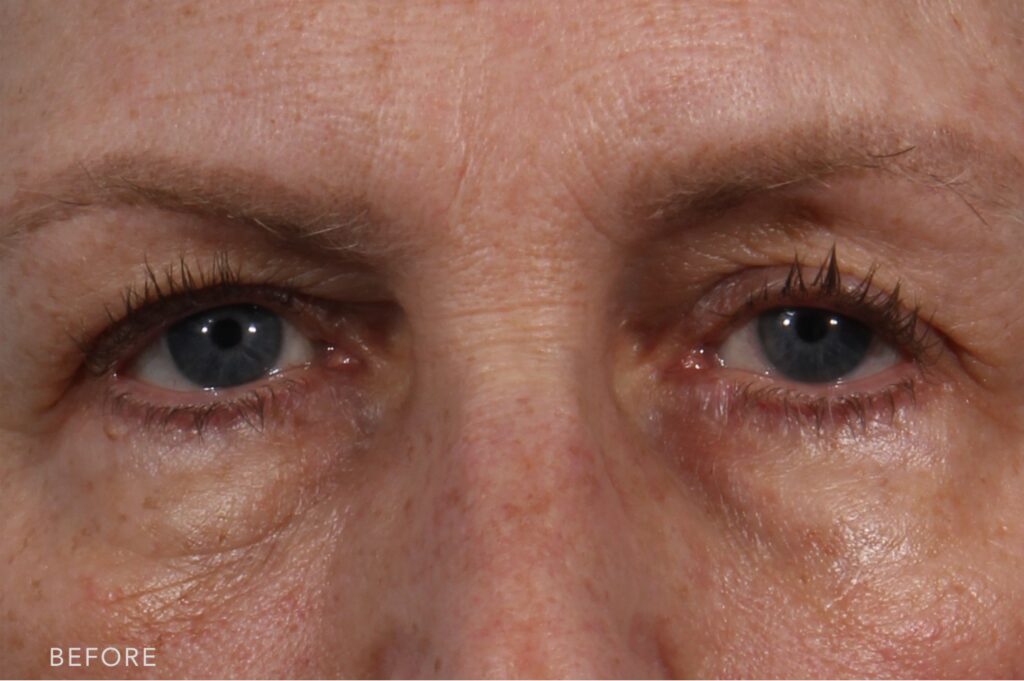
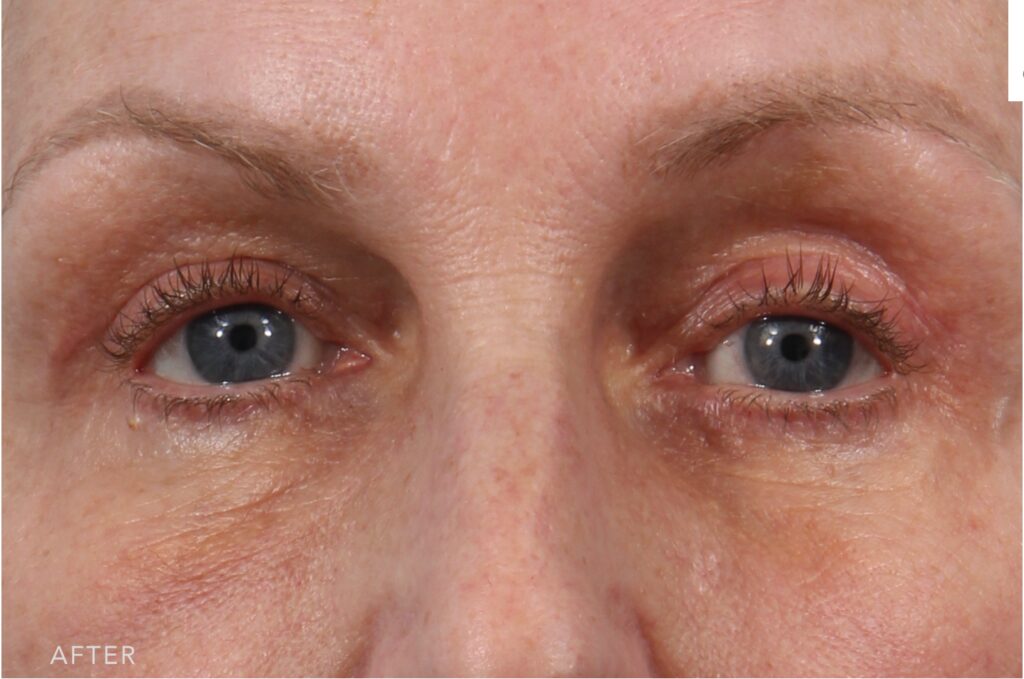
Typically, an upper-eyelid blepharoplasty can be considered medically necessary when the upper-eyelid skin is drooping down to the extent that it is blocking vision, usually within the superior visual fields.
When there is significant excess upper-eyelid skin, the skin can hang down and create a curtain-like effect on vision when looking upwards.
There are other conditions that can make the upper eyelid hang down over the eye and contribute to vision loss as well.
Visual Field Obstruction From Excess Skin
Excess upper-eyelid skin can hang down far enough that it creates a curtain-like effect over the eyes. This obstruction can reduce the superior visual field, making it harder to read, drive, or perform daily activities. Patients often notice they see better if they lift the skin or eyelid with their fingers. In these cases, an upper-eyelid blepharoplasty may be considered medically necessary because it corrects the obstruction and restores vision.
Eyelid Ptosis and Weak Levator Muscle
This is a result of weakness of the small muscle that is responsible for lifting the upper eyelid. This condition is called upper-eyelid ptosis. There are separate surgeries that can be performed at the same time as an upper eyelid blepharoplasty to help raise the eyelid and alleviate vision obstruction.
How is Medical Necessity Determined for this Procedure?
If patients are having problems with superior visual field obstruction and a physical exam shows a significant amount of excess upper-eyelid skin contributing to vision loss, patients are typically referred to visual field testing.
Physical Exam and Documentation
A physical examination is an important part of determining whether blepharoplasty is medically necessary. During the exam, the surgeon assesses how much excess skin is present, whether it rests on the eyelashes, and how it affects vision. Photographs and measurements are taken to document these findings. This information, along with visual field testing by an eye doctor, helps provide the documentation insurance companies require to establish medical necessity.
Visual Field Testing by an Ophthalmologists
This is performed by an eye doctor and involves testing when a patient is able to see a signal in their peripheral vision when focusing on an object straight ahead. The eyelids can be temporarily taped upwards to demonstrate that a surgical correction would significantly improve their vision.
What About Heavy Brows and Brow Ptosis?
Another important problem area to consider giving attention to during a blepharoplasty, especially with the upper eyelids, is the brows.
Some patients have “heavy brows” or “brow ptosis,” which can also result in excess upper-eyelid skin.
When performing surgery, there is only so much upper eyelid skin that can be removed without further displacing the brow downwards, therefore sometimes a browlift is considered a medically necessary procedure.
When a Browlift May Be Medically Necessary
In some patients, the problem is not only the eyelids but also the brows. Heavy brows, or brow ptosis, can push the eyelid skin downward and worsen visual field obstruction. When this is the case, a browlift may be considered medically necessary to improve vision. If raising the brows during an exam significantly clears the field of vision, insurance may cover the procedure. However, when the goal is simply to change the position of the brows for appearance, a browlift is regarded as cosmetic rather than functional.
Cosmetic vs Functional Browlift Considerations
On the other hand, there are many patients that seek a browlift for cosmetic purposes to help alleviate the appearance of a heavy brow. This is important for patients to be aware of because this surgery involves completely different incisions located within the hairline to suspend the eyebrow skin.
It is very common for a browlift and upper eyelid blepharoplasty to be performed concurrently, for both cosmetic and functional purposes.
Before a blepharoplasty:
After a blepharoplasty:
When is Surgery for the Lower Eyelids Medically Necessary?
A lower eyelid blepharoplasty is rarely covered by insurance. This is due to the fact that, regardless of the amount of excess lower-eyelid skin or fat herniation, it will not obstruct vision.
There are certainly indications for a lower-eyelid surgery to be performed to help protect the eye. However, it rarely results in the removal of excess lower eyelid skin or removal of the fat pads, or “bags,” as well as be covered by insurance for medically necessary purposes.
How Do I Know if My Blepharoplasty Is Covered by Insurance?
The best way to determine if the cost of eyelid surgery is covered by health insurance is to ask yourself the motivations for surgery.
If it is to improve your appearance, insurance is unlikely to cover this procedure.
If you are affected by loss of vision in your superior visual fields, then there is a possibility that insurance will cover the procedure and you will require further testing to document obstruction of your visual fields.
It is important to meet with an experienced surgeon because there are components of the physical exam that may be missed by a surgeon that does not frequently perform eyelid surgery.
At The Williams Center, we are able to take care of both cosmetic and functional upper-eyelid surgeries. Having performed thousands of these surgeries, we are experienced and able to identify subtle contributions to eyelid issues, such as a heavy brow and/or a weak upper-eyelid levator muscle.
Interested in learning more? Contact us today to arrange a consultation to determine both your functional and cosmetic surgical options.
About the Author: Dr. Edwin Williams

Dr. Edwin Williams is a double board-certified facial plastic surgeon who founded The Williams Center in 1993. He has performed over 10,000 facial plastic surgery procedures and has pioneered the deep plane facelift. He served on the Board of Directors for the American Academy of Facial Plastic Surgery for over a decade, and served as President from 2015-2016. In 2016, 2017, 2018 and 2019, Dr. Williams earned the Castle Connelly Top Doctors award in New York Facial Plastic Surgery.
Dr. Edwin F. Williams III attended Cornell University in Ithaca, New York where he received a Bachelor of Science degree in 1982. He began medical school at the State University of Buffalo School of Medicine and received his Doctor of Medicine in 1986.
Dr. Williams is actively involved in teaching facial plastic and reconstruction surgery to the residents of the Albany Medical Center and is former Chief of the Section of Facial and Plastic Reconstruction Surgery at Albany Medical Center where he received an academic appointment of Clinical Professor, Department of Surgery.